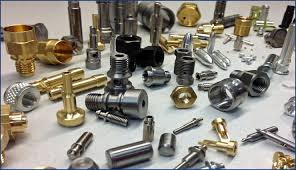
In modern manufacturing, off-the-shelf solutions rarely suffice for high-performance applications. As engineering designs become more intricate, the bridge between a digital CAD model and a functional physical product requires specialized expertise. Custom Mechanical Assembly Services provide the precision and adaptability necessary to meet these rigorous demands.
Below, we address the most common questions regarding these services, analyzing the operational impact and engineering benefits through an industry-focused lens.
What distinguishes custom mechanical assembly from standard assembly?
Standard assembly typically focuses on high-volume, low-mix production where speed is the primary metric and deviation is minimal. In contrast, custom mechanical assembly is defined by high complexity and strict adherence to specific engineering tolerances.
This process involves the integration of various sub-systems—such as gearboxes, hydraulic units, and intricate sensor arrays—into a cohesive unit. The focus here is on precision. Industry data suggests that for complex machinery, custom assembly protocols can reduce mechanical failure rates significantly compared to generalized assembly lines, primarily because each component is inspected and fitted according to unique project specifications rather than generic standards.
How do these services impact project timelines and costs?
While custom assembly might seem like a higher upfront investment, the long-term data points to substantial efficiency gains. By outsourcing complex assembly tasks to specialized providers, engineering firms often see a reduction in overall production costs.
This reduction stems from the elimination of overhead costs associated with maintaining specialized in-house assembly teams and equipment. Furthermore, specialized services operate with optimized workflows designed for complexity. This expertise translates to faster turnaround times for prototypes and small-batch runs, allowing companies to bring products to market faster. Analysis of manufacturing trends indicates that streamlined custom assembly can improve time-to-market by up to 20% for specialized engineering products.
What quality assurance measures are standard in custom assembly?
Quality assurance (QA) in custom assembly goes beyond a final visual check. It is an integrated part of the entire lifecycle. For complex engineering requirements, QA involves rigorous testing at the sub-assembly level before final integration.
Professional assembly services typically adhere to strict ISO standards and utilize advanced metrology equipment to verify that every dimension falls within the specified tolerance. This data-driven approach to quality control ensures that potential issues are identified and rectified early in the process. Consequently, the likelihood of costly recalls or field failures is drastically minimized.
Which industries benefit most from custom mechanical assembly?
The demand for these services is highest in sectors where failure is not an option.
Medical Technology: Devices such as MRI machines and robotic surgical assistants require flawless assembly of thousands of delicate parts.
Aerospace and Defense: Components must withstand extreme environmental stress, requiring assembly techniques that guarantee durability and reliability.
Industrial Automation: Robotics and automated conveyor systems rely on custom-assembled actuators and drive systems to function correctly.
Conclusion
Custom mechanical assembly services are not just about putting parts together; they are about engineering reliability and performance into the final product. For organizations dealing with complex designs, leveraging these specialized services is a strategic decision that enhances quality, reduces risk, and optimizes operational efficiency.